Showing posts with label Festivals. Show all posts

Wednesday, April 13, 2011

Pulikachal Recipe and Neer More, Panagam, Kheer, Payasam and Beans Curry for Sri Rama Navami


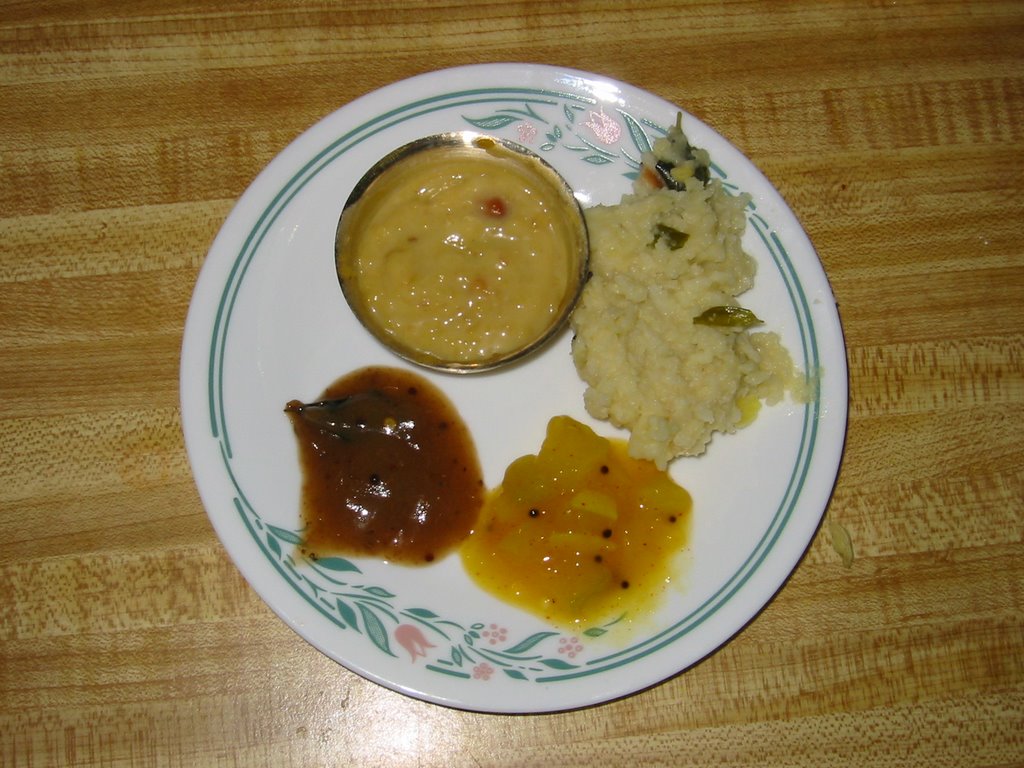
Yesterday was Ram Navami and I made the usual fare of panagam and neer more. I have posted the recipes for these previously here. I also changed it up by making semiya payasam (kheer), puliyogare with homemade pulikachal and beans curry.

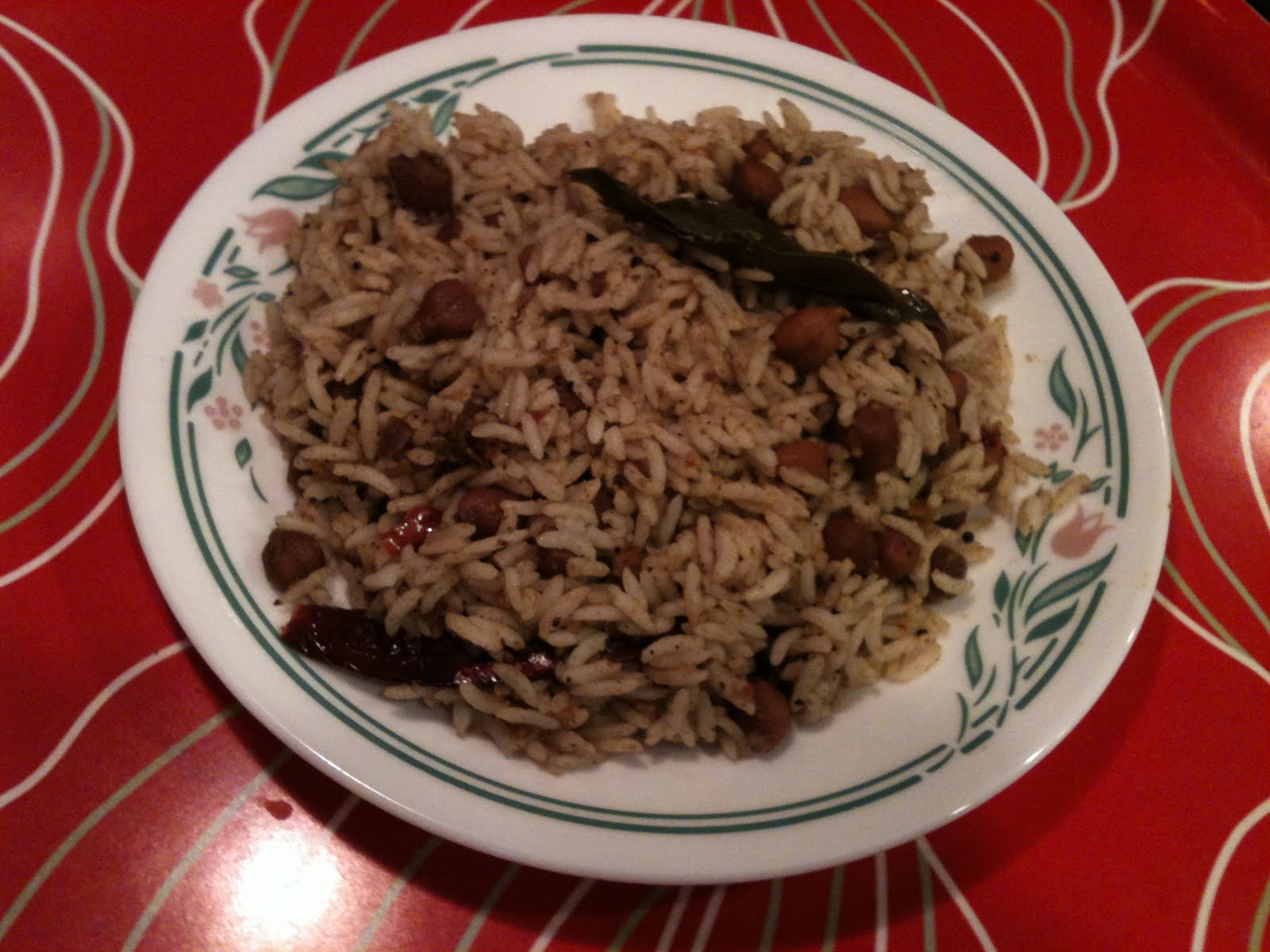
Tamarind rice is a very interesting dish to me and I have spent extensive time researching the nuances in the different versions. My love for it started from the tamarind rice given as prasadam in the temples in Hyd and during Ganesh Chaturti. It took me many years to replicate this version in my kitchen. It is called Pulihora in Andhra. This version is based purely on the flavor of tamarind and its sourness with some auxiliary things like chana dal giving added flavor. This tastes best a few hours after it has been made because rice then has enough time to soak in the tamarind's sourness. Puliyogare which is probably the kannada version uses some added spices which give it a darker color and enhances the flavor even more. I have not yet made this on my own. I use MTR's Puliyogare powder or paste and it turns our fine. This is a quick fix for a busy weekday night or when you have leftover rice. Pulikachal, which is the tamilian version, is mixed into rice to make Puli Chadam. What you see in the picture above is this. Pulikachal ends up being a thick tamarind pulp, reduces over a medium flame, with a spice powder added to it. My MIL's version also has kabuli chana which I usually add but for a change I added black chana. This definitely ups the protein content of the dish and give you something interesting to chew besides rice in this dish:). To help make the cooking process quick, I usually make the spice powder in bulk and freeze.

Pulihora Recipe: The beauty of this recipe is in its simplicity. You can add soaked and boiled black chana to this as well. Add anything more and you lose the authentic taste. I reached this conclusion after many trial and error recipes.

Ingredients:
  1. Rice - 2 cups
  2. Tamarind pulp - 1-1.5 cup (depends on how sour your tamarind is)
  3. Oil - 1 tbsp
  4. Green chillies - 3 or 4
  5. Dried red chillies - 4 or 5
  6. Urad dal - 1 tsp
  7. Chana dal - 2 tsp
  8. Groundnuts - 1 cup
  9. Turmeric - 1/2 tsp
  10. Salt
  11. Mustard seeds - 1 tsp
  12. Curry leaves - 8
Directions:
  1. Heat oil in a pan and add mustard seeds and turmeric to it.
  2. Once the mustard seeds have sputtered, add urad dal, chana dal, peanuts, green chillies, red chillies, curry leaves and roast these until urad dal and chana dal is golden brown. You may want to roast the peanuts separately and then add as they take longer.
  3. Add the rice, tamarind pulp and salt and mix well.
  4. Taste to check the sourness and add more tamarind pulp if needed.
  5. Place a lid and let the rice steam so that the rawness of tamarind goes away.

Puliyogare Recipe: I dont really have an authentic recipe for this one. My friend promised me one and hasn't given it to me yet (you know who you are :) ). I promise to blog once I have it. I use the MTR puliyogare powder. I make tadka with mustard, peanuts, red chillies and add the mix followed by rice.

Pulikachal Recipe: This recipe is split into 3 parts - recipe for the spice powder, recipe for the pulikachal and directions to make puli chadam.

Pulikachal spice powder recipe: This is an adaptation from my MIL's recipe with some changes.

Ingredients:
  1. Gingelly oil - 1 tsp
  2. Chana dal - 1 tbsp
  3. Mustard seeds - 1/2 tsp
  4. Jeera - 1 tsp
  5. Black sesame seeds - 1 tbsp
  6. Urad dal - 1 tbsp
  7. Methi seeds - 1/2 tsp
  8. Black pepper - 1 tbsp
  9. Red chillies - 5/6
  10. Coconut - grated, 1 cup
  11. Curry leaves - 5/6
Directions: Roast all the above ingredients individually in the oil and grind together to form a powder. The coconut should be roasted until it is golden brown. This can be made in bulk using cups for measurement instead of tsps as long as you keep the proportions.

Pulikachal Recipe: Pulikachal can used as a pickle or as a quick mix with rice to make puli chadam. It can be stored in an airtight jar in the fridge for a couple of weeks.

Ingredients:
  1. Tamarind pulp - 3 cups
  2. Water - 3 cups
  3. Gingelly oil - 1 tbsp
  4. Mustard seeds - 1 tsp
  5. Urad dal 1 tsp
  6. Black chana dal soaked and boiled or kabuli chana soaked and boiled - 1.5 cups
  7. Red chillies - 4/5
  8. Curry leaves - 8/10
  9. Hing - 1/4 tsp
  10. Salt
  11. Turmeric powder - 1/2 tsp
  12. Pulikachal spice powder - 4/5 tbsps
Directions:
  1. Heat oil in a pan and add mustard seeds, turmeric and hing. Once they sputter, add urad dal and roast till golden brown.
  2. Add red chillies and curry leaves and roast till you can smell their aroma.
  3. Add the black chana or kabuli chana and roast well for about 15 mins.
  4. Add the tamarind pulp, water and salt and boil this mixture until it reduces and becomes a thick pulp. This usually takes 30-45mins.
  5. Add the spice powder and mix well. Pulikachal is ready.

Directions to make puli chadam: Take a few teaspoons of the pulikachal and add it to 2 cups of rice. Add some gingelly oil and jump into the bowl with your hands like a true tamilian and mix away:). Serve this with papad and you have reached tamilian heaven:)


Tuesday, April 05, 2011

Shrikhand-Puri, Amti, Dhodkya Chi Bhaji, Varan Bhat, Koshimbir, Chitranna, Batatyachi Bhajji for Gudi Padwa


I made a lot of dishes for this Gudi Padwa but the star of the day was Shrikhand which is the ambrosia of Maharashtrians. Its a creamy dessert made from yogurt and flavored with cardamom and saffron. If you want to make a fat free light version of this, I'll tell you right away that it is simply not worth it. The delight of this dish lies in its creamy richness and you just cannot do away with using full fat yogurt. It is best enjoyed when you let it sit for at least half a day so that the flavors get absorbed and be sure to chill it before devouring it with hot puris. My dad is a connoisseur of Shrikhand and I got specific instructions( more like questions) from him when I was making this dish. His expression and happiness when he eats this dish always reminds me of a cat that eats the cream and purrs with pleasure and has cream dangling from its whiskers:D:D This post and dish is dedicated to my gourmand dad from whom I inherited my enthusiasm for food and thereby honed my talent in the kitchen.

In the picture above from left to right, starting with puri I have Puri, Shrikahnd, Amti, Dhodkya Chi Bhaji, Varan-Bhat, Koshimbir, Chitranna, Batatyachi Bhajji. Here are some of the recipes that I haven't blogged before -


Shrikhand

Ingredients:
  1. Full fat yogurt - 8-10 cups
  2. Sugar - I used about 1 cup but it could vary based on how sweet you like it. I suggest adding 1 spoon at a time and doing a taste test until it feels just right.
  3. Green cardamom - 8/10 pods, peeled and powdered
  4. Saffrom - 2 pinches
Directions:
  1. Drain the water from the yogurt by tying it in a thin cloth or cheese cloth and hanging it a little above the ground so that gravity can aid with this. I usually hang it on my tap and suspend it in my sink. You may have to do this overnight for the liquid to be completely drained out.
  2. What you are left with is a thick creamy residue. If you feel that this is grainy, you can send it through a sieve but I find that for the yogurt in USA you don't need to do this.
  3. Add sugar, cardamom powder and saffron and mix really well into this yogurt.
  4. Do this a day before serving for better results. It always tastes yummier the next day. Thats pretty much it. You can add some dried fruits to this if you like but it tastes heavenly as is.
  5. Another variation of this called 'Amrakhand' is made by adding mango pulp to the shrikhand. You can make it the same way as above with lesser sugar since you have the mango pulp for sweetness.

Koshimbir: The name of this dish applies to all raita-like dishes made with tomato, cucumber, carrot, onion or a combination of them and even guava. What distinguishes the maharashtrian way of making this is the distinct flavor of peanut powder in it.

Ingredients
  1. Tomatoes - 2, chopped
  2. Yogurt - 2 cups, beaten
  3. Roasted peanut powder - 3 tsp
  4. Oil - 1 tsp
  5. Jeera - 1/2 tsp
  6. Mustard seeds - 1/2 tsp
  7. Hing - 1/4th tsp
  8. Green chillies - 2 chopped fine
  9. Curry leaves - 4/5
  10. Salt
  11. Sugar - 1/4 tsp
Directions
  1. Mix the tomatoes, rogurt, salt, sugar and peanut powder together.
  2. Heat oil and add the mustard, jeera, hing, green chillies and curry leaves to it.
  3. Once the mustard seeds sputter, add it to the tomato mixture and mix well.
  4. The same can be done with cucumbers and grated carrot instead of tomatoes.

Dodkya Chi Bhaji (Ridge Gourd):

Ingredients
  1. Ridge gourd - 2, chopped into 1 inch pieces
  2. Chana dal - 1 cup, soaked for 1 hour
  3. Oil - 1 tsp
  4. Mustard seeds - 1/2 tsp
  5. Jeera - 1/2 tsp
  6. Hing - 1 pinch
  7. Turmeric - 1/4 tsp
  8. Salt
  9. Chilli powder - 1/2 tsp
  10. Kala masala (maharashtrian masala)
  11. Water - 2-3 cups
  12. Jaggery - 1/2 inc piece
  13. Fresh corriander - 1 cup, fnely chopped
Directions
  1. Heat oil and add jeera, mustard, hing and turmeric powder
  2. Add the dal and cut ridge gourd pieces, salt, kala masala, red chilli powder, jaggery and water and once mixed, place a lid on the pan and let it all steam until the water reduces a little and the veggies are cooked.
  3. Garnish with fresh corriander.

Thursday, March 25, 2010

Sriram Navami - Panagam, Neer More, Kosumali


Yesterday was Sriram Navami and this one holds a special place in my house as my hubby's name is Sriram:). I made the usual menu which I posted previously but I never posted the recipes. So here goes -

Panagam

Ingredients:
  1. Water - cold, 2 cups
  2. Jaggery - 3/4th cup
  3. Ginger powder - 1/2 tsp
  4. Elaichi powder - 1/4th tsp
Directions:

Mix all the ingredients above and enjoy cold:)


Neer More

Ingredients:

  1. Butter milk - 4 cups
  2. Corriander - chopped finely, handful
  3. Oil - 1 tsp
  4. Curry leaves - 6/7
  5. Green chillies - 2
  6. Hing - 1/4th tsp
  7. Ginger - 1 tsp, finely chopped
  8. Mustard seeds
  9. Salt
Directions:
  1. Heat oil and add the mustard seed. Once they sputter, add the curry leaves, ginger, hing and green chillies.
  2. Once the ginger and other ingredients are friend well and crisp, add it to the buttermilk.
  3. Add salt and mix well. Enjoy chilled!

Cucumber Kosumali

Ingredients:

  1. Cucumbers - 3 medium sized, finely chopped
  2. Moong dal - 1 cup, soaked for 3 hours
  3. Grated coconut - fresh/frozen, 1/2 cup
  4. Salt
  5. Lemon juice - 3 tbsps
  6. Oil - 1 tsp
  7. Mustard seeds - 1 tsp
  8. Urad dal - 1 tsp
  9. Dried red chillies - 4/5
  10. Hing - 1/2 tsp
  11. Curry leaves - 7/8
  12. ginger - 1/2 tsp, finely chopped
Directions:

  1. Mix the cucumber, moong dal, coconut, lemon and salt together.
  2. Heat oil and add mustard seeds and let them sputter.
  3. Now add the urad dal and cook until it is golden brown.
  4. Add the ginger, curry leaves, red chillies and hing and saute until done.
  5. Add this tempering to the cucumber mixture and blend it.
  6. This is almost like a salad and very refreshing.


This weekend I had the opportunity of trying out a paratha like Afghani dish, called Bolani, at a mom and pop store in Fremont. It is basically bread stuffed with boiled potatoes, leeks and spices and it is served with homemade yogurt. Thanks to my sister for recommending this dish and place. It was awesome!

Wednesday, March 17, 2010

Carrot Kosambari and Dosa Love


I made a very healthy carrot kosambari/salad last night along with a lot of other heavy duty items. This one stood out in its simplicity and freshness along all the other festive foods.

Ingredients:
  1. Carrots - 5 grated
  2. Moong dal - 1 cup soaked for 3 hours
  3. Oil - 1 tsp
  4. Green chillies - 2 finely chopped
  5. Curry leaves - 5-6
  6. Corriander - handful, finely chopped
  7. Lemon juice - 3 tbsps
  8. Salt
  9. Mustard seeds - 1/2 tsp
  10. Jeera - 1/2 tsp
  11. Hing - 1/4th tsp
  12. Ginger - 1/2 inch piece, finely chopped

Directions:
  1. Heat oil and add mustard seeds, jeera, hing, curry leaves, green chillies, ginger. Saute until all the aromas are enahnced and mustard seeds sputter.
  2. Add to grated carrot and mix in moong dal, lemon juice, salt, corriander. Toss everything together and let it sit for 30 mins and its ready to devour.


We ate some yummy food at Anjappar Chettinad last week. Do you remember ordering a cone dosa like above when you were a kid and lunging to break the top off and eat it? That is exactly what my hubby did:D:D

Friday, August 14, 2009

Unniappam


This is a favorite sweet of mine. I have very fond memories of hogging many of these for Onam and Vishu at my friend Vimi's place along with an elaborate n course meals. I made these yesterday for Janmashtami. We also laid out footsteps of Krishna entering the homeand going all the way to the pooja room.
The picture is not very great and I will replace it with a better one whenever I make it next. This recipe is really easy and you need that vessel with the appam indentations to make it. Thansk to my SIL Bhargavi for the recipe. I have a nonstick version which is a bliss.

Ingredients:
  1. Wheat flour - 3/4th cup
  2. Rice flour - 1/4th cup
  3. Jaggery - 3/4th cup
  4. Elaichi powder - 1/4th tsp
  5. Cut coconut pieces - 1/4th cup
  6. Ripe Banana - 1 mashed
  7. Water
  8. Oil
Directions:
  1. Mix the wheat flour, rice flour, elaichi, coconut pieces, banana.
  2. Heat jaggery with a little water and add it to the mixture above. Add just enough to form a thick batter.
  3. Heat the pan with a little oil in each compartment and pour the batter. Heat unti one side is done and flip with a pointy stick (I use skewers). Heat on other side until well done and remove to drain on a paper towel.

Wednesday, July 29, 2009

Venn Pongal, Kathrikai Gotsu and Coconut Milk Payasam


With the beginning of the Adi month, I receive email reminders from my in-laws about the different auspicious dates and food associated with each. This definitely brings some spice to the daily routine and prompts me to break away from my regular menu. I recently made pongal, gotsu and coconut milk payasam and it was really yummy. I heard my hubby thank his dad profusely for sending these emails which lead to my culinary presentations before the god and finally end up in his tummy:D. On the first day of Adi you are support to make coconut milk payasam and feed your husband, which I did. To add to the festive spirit I made the classic combination of venn pongal and kathrikai gotsu and it was all very satisfying and yummy. Here go the recipes -

I had previously posted the recipe for Venn Pongal here.

Gotsu :

Ingredients:
  1. Onion - 1 large finely chopped
  2. Tomatoes - 2 chopped
  3. Brinjal - 6/7 small ones chopped
  4. Tamarind pulp - 1 cup
  5. Oil - 1 tsp
  6. Mustard - 1 tsp
  7. Turmeric - 1/2 tsp
  8. Hing - 1/4 tsp
  9. Curry leaves - 10
  10. Red chillies - 4
  11. Sambhar powder - 1/2 tsp
  12. Salt
Directions:
  1. Heat oil and temper the mustard, curry leaves, turmeric, sambhar powder and red chillies and add hing to it.
  2. Add the onions and saute till golden brown. Then add tomatoes and cook till soft.
  3. Add the brinjal and cook for 10 mins.
  4. Add some water and the tamarind, salt and cook till the brinjal is soft. Serve hot with pongal.

Coconut payasam:


Ingredients:
  1. Coconut milk - 1 can
  2. Fresh or frozen shredded coconut - 1 cup
  3. Jaggery - 1 cup
  4. Elaichi powder - 1 tsp
  5. Ghee - 1 tsp
  6. Cashews - 2 tsps
  7. Kismis - 2 tsps
Directions:
  1. Bring the coconut milk to a boil and add the coconut and jaggery to it. Heat till they all blend well and turn off the gas.
  2. Add elachi powder.
  3. Fry the cashews and kismis in the ghee and add to the payasam. Enjoy steaming hot!

Wednesday, April 01, 2009

Gudi Padwa


I made the usual gudi padwa spread this year except for the gulab jamuns that I usually make. I posted the recipes before on my Gudi Padwa Recipes post. Happy new year to all of you:)

Thursday, January 15, 2009

Venn Pongal, Chakkarai Pongal and Ullunda Vadai

Image Credit: Sriram (my hubby)


Sankranthi was one of my favorite festivals as a kid and I spent hours and hours many days prior to and after the festival flying and chasing kites. I have very fond memories of this festival and wish I can go back to Hyderabad for one Sankranthi to relive the excitement. The Sankranthis I celebrate here have been reduced to cooking and eating festive fare. Typical maharashtrian fare for Sankranthi is the Tila Chi Vadi that I have blogged about previously. My husband and sister both enjoy this immensely and it does not survive very long in my pantry when I make it. Typical tamilian food is venn pongal which is a savoury pongal, chakkarai pongal which is a sweet version and ullunda vadai. The credit for these recipes goes to my in laws and the lovely Meenakshi Ammal cookbook that they gifted me. I am sending these recipes to three events -


  1. Venn pongal, chakkarai pongal and ullunda vadai to Festive Food: Makara Sankranthi hosted by Indian Khana
2. Venn Pongal and Chakkarai pongal to Harvest: The Festival of Rice hosted by Bengali Cuisine

3. Venn pongal and vadai to FIC Yellow event hosted by TumYumTreats


Thanks to Asha of foodieshope for pointing me to all these fun events that I could participate in:)


Venn Pongal:


Ingredients

  1. Rice - 1 cup
  2. Moong dal - 1 cup
  3. Ghee - 1 tbsp
  4. Green chillies - 4 finely chopped
  5. Curry leaves - 10
  6. Cumin/jeera - 1 tsp
  7. Whole black pepper - 1 tsp
  8. Ginger - 1 inch piece finely chopped
  9. Water - 5 cups
  10. Salt
Directions
  1. Boil the rice and moong dal with 4 cups of water in pressure cooker until it is soft.
  2. Heat the ghee and add the ginger, green chillies, curry leaves, cumin and black pepper and roast until you can smell all the flavours.
  3. Add the cooked rice and dal and salt and more water (depending on the consistency of the cooked rice and dal) and mix thoroughly.
  4. Allow the mixture to steam and top off with a little more ghee if you like. Enjoy hot with sambhar or gotsu or just as is.

Chakkarai Pongal:

Ingredients
  1. Rice - 1 cup
  2. Moong dal - 1 cup
  3. Jaggery - 1 cup grated
  4. Elaichi powder - 1/2 tsp
  5. Milk - 1 cup
  6. Cashews - 10-15
  7. Ghee - 2 tbsps
  8. Raisins - 10
Directions
  1. Boil the rice and moon dal in the pressure cooker.
  2. Heat a pan and boil the cooked rice and moong dal with the milk and some water if required until soft.
  3. Add the jaggery and 1 tbsp ghee and allow it to melt.
  4. Fry the cashews and raisins in ghee and add to the mixture above. Chakkari pongal is ready to be devoured with the vada.

Ullunda Vadai:

Ingredients
  1. Split urad dal - 2 cups
  2. Green chillies - 2 finely chopped
  3. Dried red chillies - 3 finely chopped
  4. Ginger - 1 inch piece finely chopped
  5. Curry leaves - 10 finely chopped
  6. Coconut slivers - 1/2 cup
  7. Salt
  8. Black pepper - 1 tbsp roughly crushed
  9. Oil for deep frying
Directions
  1. Soak the urad dal with water for 2 hours and then grind it with very little water and salt to taste.
  2. Add the green chillies, red chillies, ginger, curry leaves, coconut slivers, black pepper to the urad dal batter and mix well.
  3. Wet your palms and place a tbsp of batter on the palm. Use wet hands to pat it flat and make a hole in the center.
  4. Heat oil and drop the vada and deep fry until golden brown. Enjoy hot!!!

Tuesday, October 14, 2008

Avial


I have extremely fond memories of Avial from childhood. Every year I would get invited twice to my friend Vimi's home for Onam and Vishu. They would have elaborate n course meals on banana leaf and I would eat until I could eat no more. The dishes I remember the most are the Avial, Kootu Curry, Payasam and Sambhar. We would eat the entire meal and then take a break of a couple of hours before her mom gave us piping hot payasam or pradhavan to fill the very small gap created in our tummies from an hour of activity. Those days of high metabolism were sheer bliss when I could eat without bothering about the weight I would put on ;). Sigh....:)...The credit for this recipe goes to my MIL and FIL who sent me elaborate emails on the process of this dish. Part of the credit also goes to my friend's mom who explained the recipe to me several times when I was a kid:D:D

Ingredients:

  1. White pumpkin - 8 inch piece
  2. Yellow pumpkin - 8 inch piece
  3. Raw banana - 3
  4. Beans - 15-20
  5. Carrot - 2 medium sized ones
  6. Peas - 1 cup
  7. Drum sticks - 2/3
  8. Potato - 1 big
  9. Brinjal
  10. Fresh grated coconut - 1.5 cup
  11. Coconut milk - 1 cup
  12. Jeera - 4 tbsps
  13. Green chillies - 7/8 (or as spicy as you like)
  14. Curry leaves - 7/8
  15. Coconut oil - 1 tbsp
  16. Yogurt - 2 cups
  17. Salt
Directions:

  1. Cut each of the veggies the length of a matchstick and width of ~ .3 inch (hehe)
  2. Boil them in water until they are a little under done. The veggies that have similar cooking times can be cooked together but I just cooked each of them separately.
  3. Grind the green chillies, jeera and cucunot together into a fine paste.
  4. Heat the coconut oil and add the curry leaves to it.
  5. Add the cooked veggies, salt and the paste and mix together well. Once it is all blended together take it off the gas.
  6. Add the beaten yogurt (as much as required) and mix everything together. Enjoy with hot rice!!!

Friday, October 03, 2008

Navarathri Golu 2008 - My 3rd year:)

This is my 3rd Navarathri Golu, as I have already gushed about before, and I am so in love with it. Since I had more time this year to focus on peripheral development I did a lot of stuff besides the main padis. We reused the padis from last year and my in-laws brought me a lot of more dolls. I also discovered this amazing Japanese store in Mountain View where everything sells for $1.50 and bought loads of dolls and stuff for gifts. Here are the pics -


This is the mail golu with the kalash and marapachi on the 5th step. Priya mentioned that the traditional dolls, kalash and marapachi can also be kept on the second step and we will probably do that next year. This year my second and third step had the international dolls and the 5th step had the new wedding set and chettiar set. The 4th step was dedicated to Astalakshmi and Dasavathar sets.


This is the national park I made with a felt bloth for the base and fake grass that my in-laws got from India. The animals were from Michaels and for the fun of it I called it "Jim Corbett National Park".


This is Rampur village with a pen containing pigs, geese and hens, a bullock cart, a well and few huts.

This "piece of art" is called pebble beach - the logic being that pebble beach is surrounded by golf courses and that explains the grass:D:D. The sea is simulated by using blue times at the bottom of a plastic box and water and there is some frogs dressed for a day at the beach.


This is my bedroom set with a lady looking into the miniature dresser and a guy sleeping on the bed with a pillow and comforter which I made out of paper napkin and gift wrapping paper.


I am already thinking of ideas for my next one and excited about it. Cannot wait until then:) I also made truck loads of food the last two days for all the families that came home for the haldi-kumkum. The menu was curd rice, puliodarai, sundal and kesari. I think I missed taking pictures of all of these. But it was yummy and I am bored of it already:D. Anyways, thats until next Navarathri. Looking forward to all the Diwali goodies now.

Tuesday, September 30, 2008

Happy Navarathri

Wish you all a very Happy Navarathri! I am very excited about my third Navarathri golu and I have put in a lot of effort into doing things differently this year. :) I will post all the pictures of my golu after Navarathri.

Traditionally we are supposed to make one variety of sundal every day and I try and do a different one everyday but by far my most favourite is the Kabuli Chana sundal and the Kala Chana sundal. These two will be repeated atleast once during these nine days. Sundal is very healthy (if made the right way) dish high in protein. So I enjoy it immensely and even make it regularly on other ocassions.

I will be updating this blog with pictures of all the sundals I made over the span of 9 days.

Kabuli Chana/Konda Kadalai Sundal


Kala Chana / Karuppu Konda Kadalai Sundal


Moong Dal / Payatham Paruppu Sundal


Lobiya Sundal / Karamani Sundal


The rest of the days I ended up repeating some. My mom also made Soybean sundal but I forgot to take the pic. I soaked the soybean assuming it is yellow peas but when I looked at it the next day, it had grown oblong:D But this was a good one too.

General ingredients and directions for any type of sundal are -

Ingredients:

  1. Pulses or beans - 2 cups soaked and cooked until a little soft but still retain a little bite
  2. Grated coconut - 3 tbsps
  3. Dried red chillies - 8
  4. Curry Leaves - 10
  5. Mustard seeds - 1 tsp
  6. Urad dal - 2 tsps
  7. Hing - 1/2 tsp
  8. Gingelly oil or any vegetable oil - 1 tbsp
  9. Salt
Directions:
  1. Heat oil in a pan and add mustard seeds. Once they have popped add the urad dal and stir until golden brown.
  2. Add the red chillies and curry leaves and sautee until you can smell the aroma.
  3. Add the hing, salt and beans and coconut and mix well.
  4. Place a lid and steam until done and enjoy hot!

Friday, April 18, 2008

Vepam Poo Pachadi


A belated happy tamil new year to all of you. I had fun this tamil new year because my in-laws were around and it was a proper family affair. I also had to cook less because we split up the dishes. I got Pushnika Sambhar, Vepampoo Pachchadi and Aama Vadai. The recipe of Aama Vadai I have already posted here. The pic above is from last year -


Vepam Poo Pachadi: This is a traditional tamilian dish made on new years day. It has all the tastes possible - bitter/sweet/sour/spicy and I guess the idea is to start your year with all these tastes including bitter which is a result of the neem flowers or vepam poo.

Ingredients:

  1. Tamarind - 1 hand full
  2. Jaggery - 2 tsps
  3. Salt
  4. Dried red chillies - 2 or 3
  5. Gingelly oil - 1 tsp
  6. Rice flour - 1 1/2 tsp
  7. Neem flowers - 2 tsps
  8. Curry leaves - 4 or 5

Directions:

  1. Soak tamarind in 1 1/2 cup of water and extract the pulp.
  2. Roast the neem flowers in a little spray of oil until brown. Let it cool and grind it roughly into a powder in a pestle and mortar or just using a spoon
  3. Heat gingelly oil and to it add mustard seeds, red chillies, curry leaves. Let the mustard seeds sputter and to it add the tamarind pulp and boil until the smell of raw tamarind goes away.
  4. Add the salt and jaggery to the boiling pulp and bring to a simmer.
  5. Mix the rice flour in 2 tbsps of water and add to the mixture above. Boil until the it reaches a thicker consistency and bring it off the stove.
  6. Mix in the crushed neem flowers and enjoy hot!

Thursday, April 03, 2008

Gudi Padwa Recipes - Neem Chutney, Amti, Cauliflower-Peas Sabji and Mango Rice

Gudi Padwa is coming up and this will my first one in the new house. I am looking forward to celebrating it grandly. There are some very typical recipes associated with the festival and will be posting there here soon:)


---- Follow up ( Pics will get added once I locate my camera charger)---------

Recipe 1 - Neem chutney

Ingredients:
  1. Chana dal - 1 cup
  2. Green chillies
  3. Curry leaves - 4 or 5
  4. Dried red chillies - 2 or 3
  5. Tender neem leaves or neem flowers - 2 teaspoons
  6. Asafoetida - 2 pinches
  7. Salt
  8. Mustard seeds - 1 teaspoon
  9. Oil - 1 teaspoon
  10. Corriander leaves - handful

Directions:
  1. Soak the chana dal overnight
  2. Grind the dal with green chillies, salt, corriander leaves
  3. Heat oil and put in mustard seeds, curry leaves and red chillies. Garnish chutney with this.
  4. I usually separate out a little chutney and add the tender neem leaves or fried neem flowers to it. The rest can be enjoyed without the bitterness.

Recipe 2 - Amti : Amti is a traditional maharashtrian dal which is a staple part of every meal.

Ingredients:
  1. Toor dal - 2 cups
  2. Turmeric - 1 pinch
  3. Mustard seeds - 1 teaspoon
  4. Jeera - 1 teaspoon
  5. Oil - 1 tablespoon
  6. Amsol or Kokam - 3-4 (This is a very typical ingredients used in some Maharashtrian and Konkani dishes )
  7. Corriander leaves - handful, chopped
  8. Red chilli powder - 1/2 teaspoon
  9. Kala Masala - 1 teaspoon (This is again a very typical Marathi masala. I use the Joshi brand )
  10. Salt
  11. Asafoetida - 1 pinch

Directions:

  1. Pressure cook the toor dal and keep aside.
  2. Heat oil in and add mustard seeds, jeera, turmeric, asafoetida and wait until the mustard sputters.
  3. Add the cooked toor dal, kokum, salt, chilli powder, kala masala and let the dal boil for 15 mins.
  4. Garnish with corriander and serve with hot rice!
Tips: Variations of this amti are yummy too - I love the addition of brinjal, drumsticks and my favourtie is the one with pressure cooked jackfruit seeds.

Recipe 3 - Cauliflower/Peas sabji : This is a very simple sabji that I make on a regular basis.

Ingredients:

  1. Medium sized cauliflower - cut into small chunks
  2. Green chillies - 2 finely chopped
  3. Frozen peas - 1 cup
  4. Salt
  5. Chilli powder - 1/2 tsp
  6. Mustard seeds - 1 tsp
  7. Jeera - 1 tsp
  8. Turmeric powder - 1 pinch
  9. Vegetable oil - 1 tsp

Directions:

  1. Heat oil and add mustard seeds, jeera, turmeric, green chillies and let the mustard seeds sputter.
  2. Add the cauliflower and salt and saute until soft.
  3. Add peas and chilli powder and let it cook for 5 more mins.
  4. Garnish with lemon and corriander leaves.

Recipe 4 - Mango Rice (Chitranna): This is basically "lemon rice meets raw mango". A very simple yet delightful way of enjoying summer's arrival.

Ingredients:
  1. Basmati rice - 1 cup (any rice is ok)
  2. Raw mango - 1, grated
  3. Lemons - 1 or 2
  4. Salt
  5. Green chillies - 2
  6. Red dried chillies - 2
  7. Curry leaves - 7 or 8
  8. Mustard seeds - 1 tsp
  9. Turmeric - 1/2 tsp
  10. Urad Dal - 1 tsp
  11. Chana Dal - 1 tsp
  12. Oil - 1 1/2 tsp

Directions:

  1. Cook rice and keep aside. Make sure it is not over cooked and grains are separate.
  2. Heat oil and add mustard seeds, turmeric, green chillies, red chillies, curry leaves, urad dal and chana dal and stir fry until the urad dal turns golden brown.
  3. Add the cooked rice, grated mango and salt and let it steam.
  4. Take the rice off the stove and sprinkle lemon juice. Enjoy with raita!